For almost three decades, Wi-Fi has been the invisible plumbing of modern life. It started as a niche convenience for lugging laptops between conference rooms. Today it carries video calls, hospital equipment, factory robots, and billions of smart devices. But every leap in speed has come with a parallel story: the struggle to keep wireless traffic private over a medium where anyone with a cheap antenna can listen in.
This is that story — and the question I still get asked constantly: is WPA2 safe in 2026?
Short answer: yes, but with an asterisk. The long answer needs a bit of history, a tour of the attacks that shattered Wi-Fi's reputation, and a look at the new wildcard in wireless security — AI.
A Brief History of Wi-Fi
It starts in 1985, when the FCC released slices of the 2.4 GHz ISM band for unlicensed use. Nobody knew it at the time, but that one ruling created the lane for everything that followed. The IEEE 802.11 working group published its first standard in 1997, delivering a blistering (for the time) 1–2 Mbps.
Everything after that was an arms race between throughput ambitions and physics:
| Generation | IEEE Standard | Year | Peak Link Rate | Band(s) |
|---|---|---|---|---|
| — | 802.11 (legacy) | 1997 | 1–2 Mbps | 2.4 GHz |
| Wi-Fi 1 | 802.11b | 1999 | 11 Mbps | 2.4 GHz |
| Wi-Fi 2 | 802.11a | 1999 | 54 Mbps | 5 GHz |
| Wi-Fi 3 | 802.11g | 2003 | 54 Mbps | 2.4 GHz |
| Wi-Fi 4 | 802.11n | 2009 | 600 Mbps | 2.4 / 5 GHz |
| Wi-Fi 5 | 802.11ac | 2013 | ~6.9 Gbps | 5 GHz |
| Wi-Fi 6 | 802.11ax | 2021 | ~9.6 Gbps | 2.4 / 5 GHz |
| Wi-Fi 6E | 802.11ax | 2021 | ~9.6 Gbps | + 6 GHz |
| Wi-Fi 7 | 802.11be | 2024 | ~23 Gbps | 2.4 / 5 / 6 GHz |
| Wi-Fi 8 | 802.11bn | In draft, certification targeted ~2028 | TBD | 2.4 / 5 / 6 GHz |
Wi-Fi 7 brought multi-link operation (MLO), letting a device transmit across multiple bands at once for lower latency and better resilience. Wi-Fi 8 — officially 802.11bn, nicknamed "Ultra High Reliability" — is chasing something different: not a bigger headline number, but consistent, low-jitter performance in crowded, interference-heavy environments. Think carrier-grade reliability over raw speed records.
The security track running in parallel
Speed grabbed the headlines. Security was the quieter, messier race running underneath:
- WEP (1997). The original encryption layer. By 2001 researchers had demonstrated practical attacks, and by the mid-2000s WEP could be cracked in minutes with freely available tools. It's effectively equivalent to an open network today.
- WPA (2003). A stopgap built on TKIP, designed to run on WEP-era hardware via firmware update. It fixed the worst of WEP but was never meant to be permanent.
- WPA2 (2006). AES-CCMP encryption, mandatory for all Wi-Fi Certified products. For over a decade it was the global default — and for most of that time, assumed to be rock solid.
- WPA3 (2018). A ground-up redesign of the handshake. Certification began in mid-2018, and WPA3 support became mandatory for every device bearing the Wi-Fi CERTIFIED logo starting July 1, 2020.
The Attacks That Shook Wi-Fi
WPA2's reputation for invincibility died in stages.
KRACK (2017). Key Reinstallation Attack, discovered by researcher Mathy Vanhoef. KRACK went after the WPA2 four-way handshake itself — a protocol-level flaw, not an implementation bug, meaning nearly every correct implementation of the standard was affected. An attacker in range could force a reinstallation of the pairwise encryption key, opening the door to decryption, packet replay, and connection hijacking. Most OSes patched fast. Some Linux and Android devices were actually worse off: their Wi-Fi stacks cleared keys from memory (a sensible privacy habit in normal circumstances), which let KRACK downgrade the connection to an all-zero key. The lesson was blunt — WPA2 was not mathematically untouchable.
Dragonblood (2019). Even WPA3's shiny new handshake, SAE (Simultaneous Authentication of Equals), wasn't exempt. Researchers found side-channel attacks — including a downgrade attack that pushed a WPA3-capable device back to WPA2 — that leaked password information. Patches followed, but the pattern repeated: every new protocol draws fresh scrutiny the moment it ships.
FragAttacks (2021). Vanhoef came back with a set of design and implementation flaws spanning every version of the Wi-Fi standard since 1997. The nastiest variants let an attacker inject malicious frames into encrypted networks and exfiltrate data even when the victim's traffic was otherwise secure. Fragmentation and aggregation — two core performance mechanisms — turned out to be the weak points.
None of these attacks broke AES itself. They went around it, targeting the choreography that establishes trust before encryption even starts. That distinction matters for the verdict below.
So, Is WPA2 Still Safe in 2026?
For a patched, well-configured home network: yes, WPA2 still provides real protection in 2026. It encrypts your traffic with AES-CCMP, which remains unbroken. A neighbor, a drive-by war driver, or a casual attacker can't read your packets without first breaking the handshake or guessing your passphrase. The UK's NCSC guidance still holds up here: a WPA2 network is dramatically more secure than WEP, WPA, or an open network.
But "still safe" hides four real gaps:
1. No forward secrecy. WPA2's pre-shared key model means that if an attacker captures a full four-way handshake and later guesses or cracks your passphrase, they can decrypt everything they recorded — including traffic from months or years ago. WPA3's SAE handshake fixes this: captured traffic stays safe even if the password eventually falls.
2. Offline dictionary attacks. WPA2-Personal handshakes can be captured passively (hashcat makes this routine) and attacked offline at GPU speed. A weak or reused passphrase is a matter of time, not skill. WPA3's SAE requires each guess to involve live interaction with the access point, throttling brute force to a crawl.
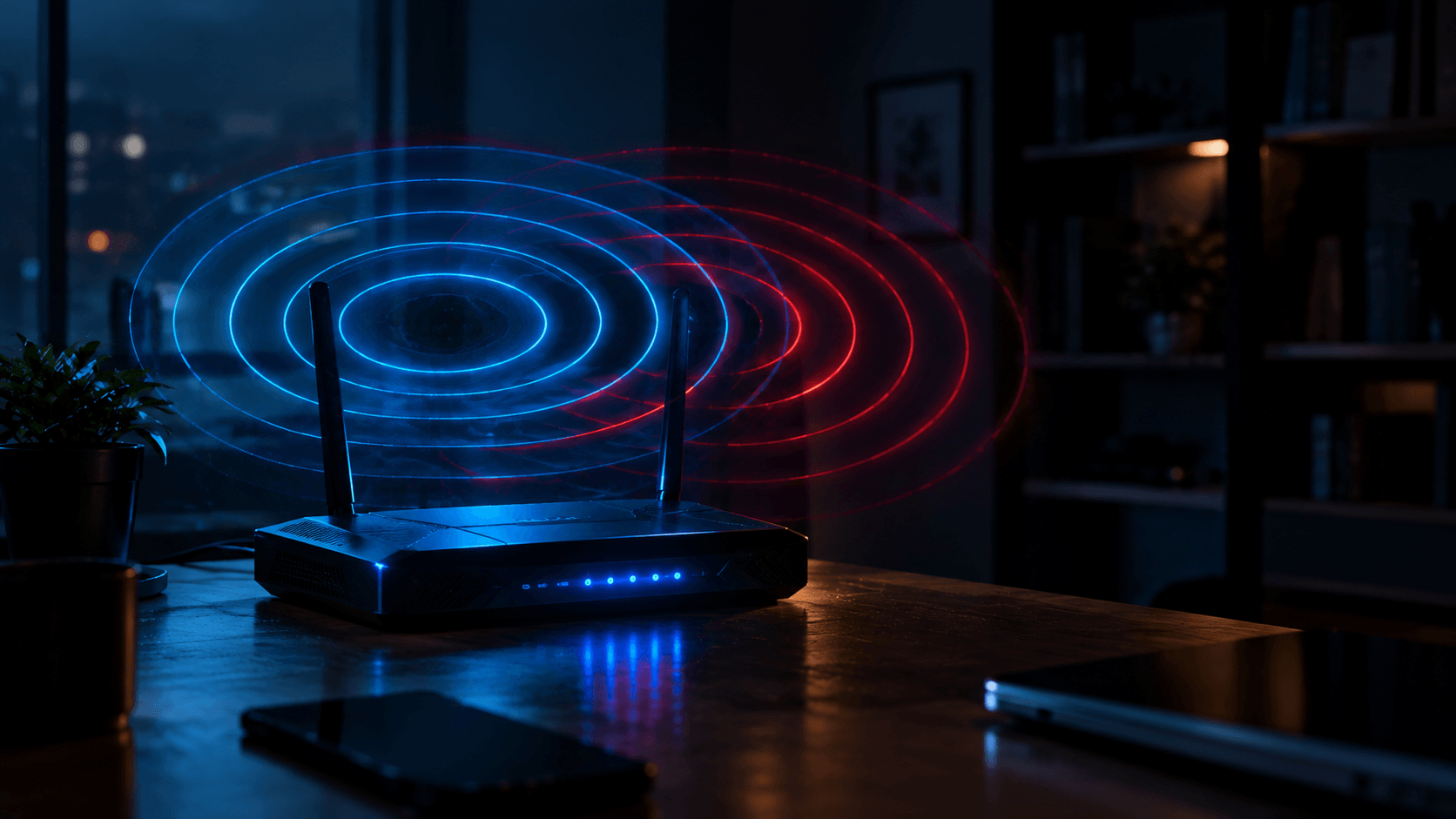
3. Evil twins and PMKID harvesting. A rogue access point with a stronger signal can still lure devices into connecting, and the PMKID shortcut lets attackers grab a hash without waiting for a full handshake. Neither is technically a WPA2 "break," but both exploit the trust model it's built on.
4. Protected Management Frames aren't universal. Without PMF, deauthentication attacks — kicking clients off the network to force a fresh handshake — remain trivial. WPA3 requires PMF. WPA2 doesn't.
Then there's the reality check on adoption. WPA3 has been mandatory for certified infrastructure since 2020, but client adoption lagged hard. Millions of laptops, phones, smart speakers, cameras, and cheap IoT gadgets still speak only WPA2 — and plenty of them will never see another firmware update. The pragmatic setup for most homes and offices in 2026 is WPA2/WPA3 transition mode: WPA3 for modern clients, WPA2 for the stragglers. Pure WPA3 is the goal, not yet the universal present.
My honest verdict: WPA2 in 2026 is a car with good locks but no airbags. It stops opportunistic thieves. It won't stop a determined, well-resourced attacker with time and the right tools. Keep it only as long as you have to, and make that window as short as possible.
The AI Wildcard
If quantum computing is the slow-burning threat to wireless security, AI is the fast one — and 2026's numbers back that up.
CrowdStrike's 2026 Global Threat Report recorded an 89% year-over-year rise in activity from AI-enabled adversaries, with average breakout time — the window between initial access and lateral movement — down to 29 minutes, the fastest on record. IBM's 2026 Cost of a Data Breach report found that one in four malicious breaches were now AI-enabled, a 56% jump from the year before, and those breaches cost roughly $1 million more than the global average.
What that looks like over the air:
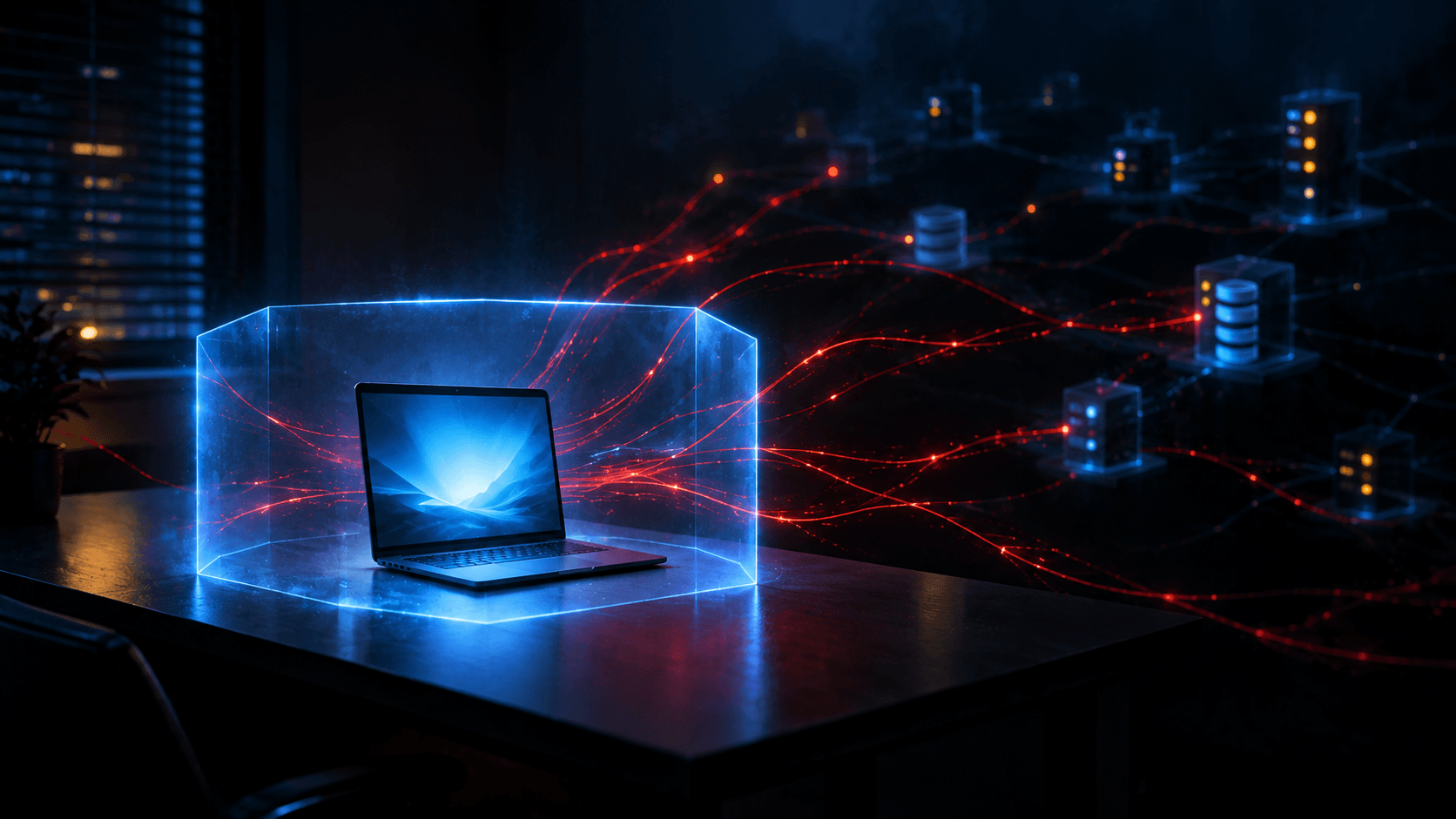
- Automated evil twins. AI tooling can scan an environment, clone a legitimate SSID and BSSID, spin up a convincing rogue access point, and adapt its behavior based on how clients react — faster than any human operator could.
- Smarter handshake cracking. Machine learning doesn't break AES, but it's very good at prioritizing which captured hashes to attack, exploiting password patterns and context (company name, season, keyboard walks) to crack passphrases that would survive a naive dictionary run.
- AI-crafted social engineering. Deepfake voice and video calls convincing an employee to read out a captive-portal password or approve a rogue device prompt. Help desks are a favorite target.
- Self-mutating malware. Once an AI-driven intruder lands inside a network — often through an insecure IoT device hanging off the same wireless LAN — it rewrites its own tooling to dodge signature-based defenses.
The same technology powers the countermeasures, to be fair. AI-driven wireless intrusion detection and prevention systems (WIDS/WIPS) now profile radio behavior in real time: flagging anomalous management-frame bursts, catching deauth floods, and fingerprinting rogue access points instead of relying on simple SSID lists.
But the defense side comes with its own asterisks:
- Adversarial machine learning. Attackers can craft radio inputs designed to poison or fool the detector itself — quietly degrading accuracy without tripping any alarms.
- Data hunger. These models need huge volumes of labeled traffic to learn what "normal" looks like. Edge devices rarely have the compute budget for that, and clean labeled datasets are scarce.
- Brittle trust. An AI defender that can't explain why it flagged a device is hard for a security team to act on at 3 a.m. Explainable AI is an active research frontier for exactly this reason.
The quantum horizon
One more pressure worth knowing about: "harvest now, decrypt later." An adversary can record encrypted wireless traffic today and decrypt it once quantum computers mature enough to attack public-key cryptography. WPA2's AES-CCMP is symmetric and considerably more resistant than the RSA and ECC protecting most internet traffic, but the key establishment underneath isn't invulnerable forever. Post-quantum cryptography research is already laying groundwork for whatever replaces today's handshake protocols in a future WPA generation.
What You Should Actually Do in 2026
Here's my practical checklist, roughly in order of impact.
1. Enable WPA3 — or transition mode if you've got legacy gear. Check your router's firmware first; a lot of devices picked up WPA3 support through an update you may have missed. If you're running hostapd on a Linux access point, transition mode looks like this:
# /etc/hostapd/hostapd.conf
wpa=2
wpa_key_mgmt=WPA-PSK WPA-PSK-SHA256 SAE
rsn_pairwise=CCMP
wpa_passphrase=your-long-unique-passphrase-here
ieee80211w=1
ieee80211w=1 enables Protected Management Frames in optional mode so legacy clients can still connect; set it to 2 once every device on the network supports it.
2. Use a long, unique passphrase. 16+ random characters. Length beats symbol gymnastics for defeating offline cracking.
3. Update firmware on your router, access points, and every wireless client you can reach. KRACK and FragAttacks were both fixable at the device level — if the device still gets updates.
4. Disable WPS. Push-button and PIN modes have a long history of bypasses, and IoT devices love enabling them by default.
5. Put IoT on a separate SSID or VLAN. Your smart bulb doesn't need a path to your laptop. Most consumer routers support a guest network now — use it.
6. Enable Protected Management Frames if your gear offers the option independently of WPA3.
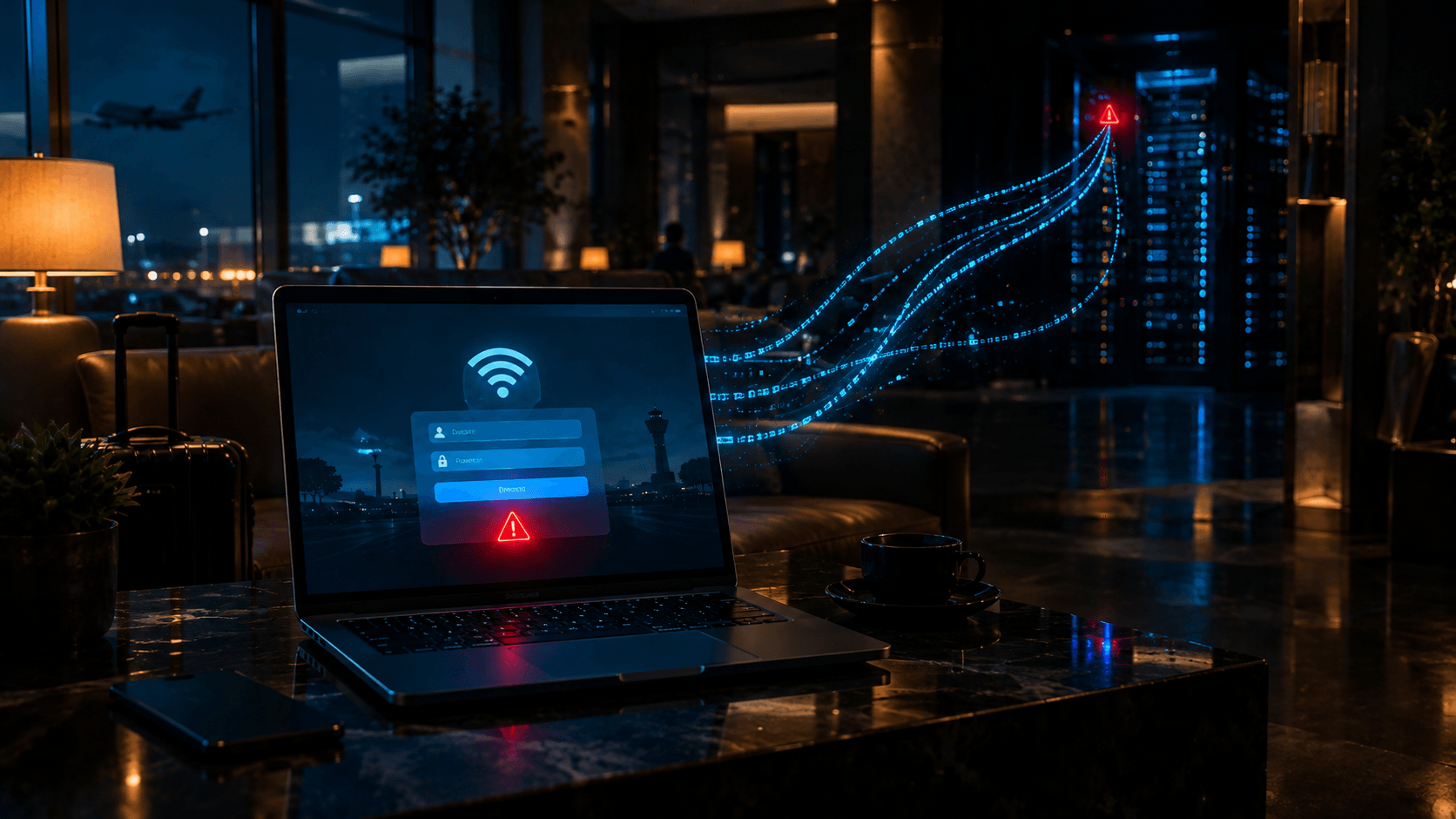
7. Treat public Wi-Fi as untrusted. Use a VPN. Assume evil twins are listening.
8. Disable remote management on your router unless you genuinely need it, and never expose it to the internet.
Looking Ahead
The wireless landscape of 2026 is faster, denser, and more consequential than any previous generation. Wi-Fi 7 is reaching mainstream devices, Wi-Fi 8 is taking shape around reliability rather than headline speeds, and the 6 GHz band has given the industry fresh spectrum to grow into.
Security is finally keeping pace — but only on paper. WPA3 has been mandatory for new infrastructure for over half a decade, yet the world is still full of WPA2-only devices, and AI has handed attackers tools that make the old "your neighbor can't hear you" guarantee shakier than it's ever been.
WPA2 isn't broken. It's dated — and in security, dated is a slow-motion emergency. The passphrase you set in 2019 is protecting you from an adversary that didn't exist in 2019. Treat your wireless security as a living thing: upgrade where you can, segment what you can't, and assume the next KRACK is already in someone's research lab.
The invisible plumbing deserves a checkup.
Sources and further reading: Wi-Fi Alliance generational guidance; IEEE 802.11bn (Wi-Fi 8) research literature; NCSC guidance on KRACK; Vanhoef & Piessens on KRACK and FragAttacks; Dragonblood (USENIX WOOT 2019); CrowdStrike 2026 Global Threat Report; IBM 2026 Cost of a Data Breach Report.